Quick facts
Light: Full sun
Soil: Average soil
Water: Moderate, drought-tolerant once established
When to plant: Spring after frost or fall
Care note: Deadhead or leave seedheads for birds.
Best for: Affordable pollinator color.
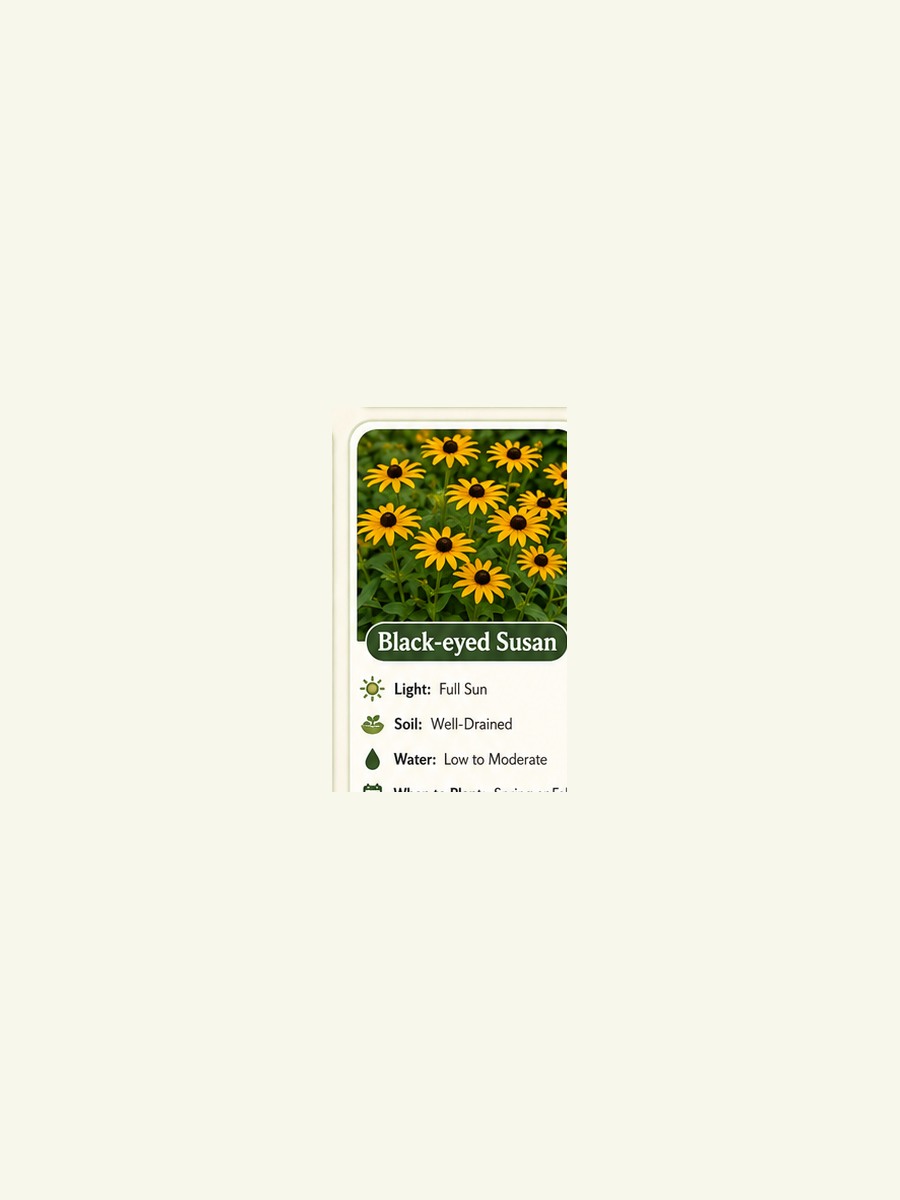
Light: Full sun
Light: Full sun
Soil: Average soil
Water: Moderate, drought-tolerant once established
When to plant: Spring after frost or fall
Care note: Deadhead or leave seedheads for birds.
Best for: Affordable pollinator color.
Avoid making multiple big changes at once. Move, water, feed, and prune gradually so you can see what helped.
Start with the light, soil, water, symptom, or purpose notes on this page, then make one careful change at a time.
Avoid making multiple big changes at once. Move, water, feed, and prune gradually so you can see what helped.
Get local help if the plant is valuable, symptoms are spreading quickly, or outdoor disease and pest problems may affect nearby plants.