Must-have pest guide

Pests with arrows and organic control plans.

Start with isolation, inspection, washing, pruning, and repeated low-toxicity controls. The goal is to break the lifecycle, not just spray once.

Pest cards

Search by pest, symptom, or remedy. Arrows call out the visible pest or damage zone.

Real plant photo for Aphids Clustered soft bodies
Must-havePest

Aphids

What to look for: Clusters on tender growth, curled leaves, sticky honeydew, ants nearby.

Organic response:

  • Blast off with water.
  • Prune badly infested tips.
  • Use insecticidal soap on contact.
  • Encourage lady beetles, lacewings, hoverflies, and parasitoid wasps outdoors.

Watch-out: Repeat inspection every 3–5 days until new growth stays clean.

Image/source reference · Wikimedia Commons / aphids on plant stem
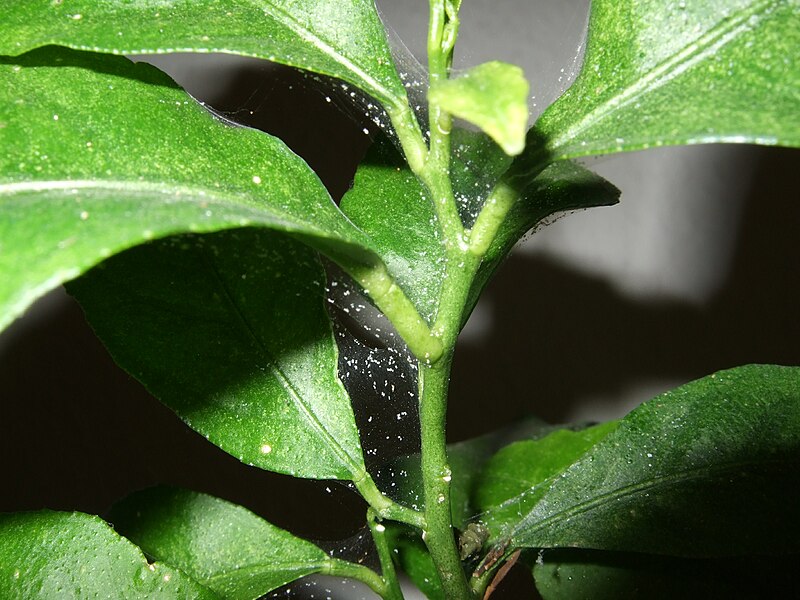
Real plant photo for Spider mites Fine webbing / stippling zone
Must-havePest

Spider mites

What to look for: Fine webbing, dusty speckling, yellow stippled leaves, worse in hot dry rooms.

Organic response:

  • Isolate the plant.
  • Rinse leaf undersides thoroughly.
  • Raise humidity around the plant if the species tolerates it.
  • Use insecticidal soap or horticultural oil in repeated light treatments.

Watch-out: Treat and inspect weekly; eggs can survive the first wash.

Image/source reference · Wikimedia Commons / spider mites on lemon plant

Real plant photo for Mealybugs White cottony masses
Must-havePest

Mealybugs

What to look for: White cottony patches in leaf joints, stems, roots, or protected crevices.

Organic response:

  • Dab visible insects with 70% isopropyl alcohol on a cotton swab.
  • Rinse plant after spot treatment.
  • Prune heavy clusters.
  • Use insecticidal soap or neem cautiously and repeat.

Watch-out: Keep isolated 2–3 weeks because hidden insects reappear.

Image/source reference · Wikimedia Commons / mealybugs on hibiscus

Real plant photo for Whiteflies White adults on underside
Must-havePest

Whiteflies

What to look for: Tiny white insects flutter when disturbed; sticky honeydew and sooty mold may appear.

Organic response:

  • Vacuum gently or rinse foliage.
  • Use yellow sticky traps for monitoring.
  • Remove heavily infested leaves.
  • Use insecticidal soap; cover undersides.

Watch-out: Recheck every few days; young stages hide on leaf undersides.

Image/source reference · Wikimedia Commons / whiteflies on leaf

Real plant photo for Scale insects Bumps on stems or leaves
Should-havePest

Scale insects

What to look for: Hard or soft bumps on stems, sticky residue, yellowing leaves, slow decline.

Organic response:

  • Scrape small infestations gently.
  • Wipe with alcohol on a swab.
  • Prune heavily infested stems.
  • Apply horticultural oil when plant and temperature are safe.

Watch-out: Repeat every 7–10 days for crawlers.

Image/source reference · Wikimedia Commons / sap-feeding insect reference image

Real plant photo for Fungus gnats Adults hover near wet soil
Must-havePest

Fungus gnats

What to look for: Small dark flies around wet potting mix; larvae live in moist top layer.

Organic response:

  • Let the top layer dry between watering.
  • Use yellow sticky traps for adults.
  • Bottom-water when appropriate.
  • Use BTI mosquito bits/dunks or beneficial nematodes for larvae.

Watch-out: Continue for 2–3 life cycles; breaking the wet-soil cycle is the real cure.

Image/source reference · Wikimedia Commons / insect reference image; replace with owned macro photo later

Real plant photo for Thrips Tiny slender insects / silvering
Should-havePest

Thrips

What to look for: Silvery streaks, black specks, distorted new growth, damaged flowers.

Organic response:

  • Isolate plant.
  • Use blue or yellow sticky traps.
  • Rinse and prune damaged flowers.
  • Use insecticidal soap or spinosad carefully where allowed; avoid spraying open blooms visited by pollinators.

Watch-out: Repeat treatments; thrips hide in buds and new growth.

Image/source reference · Reference image placeholder; replace with licensed thrips macro

Real plant photo for Slugs and snails Ragged chewing damage
Should-havePest

Slugs and snails

What to look for: Ragged holes, chewed seedlings, shiny trails after dark.

Organic response:

  • Hand-pick at night.
  • Use copper barriers around pots.
  • Use iron phosphate bait as directed.
  • Remove damp hiding spots near seedlings.

Watch-out: Check after rain and in early morning.

Image/source reference · Outdoor plant damage placeholder; replace with owned slug/snail damage photo

7-day pest rescue routine

  • Isolate the plant.
  • Photograph the damage.
  • Inspect undersides and soil surface.
  • Rinse or wipe pests away.
  • Prune the worst areas.
  • Treat with the least aggressive option.
  • Repeat until new growth is clean.

Prevention

  • Quarantine new plants for 10–14 days.
  • Do not keep potting mix constantly wet.
  • Clean leaves monthly.
  • Improve airflow around crowded shelves.
  • Use sticky cards as early-warning monitors.