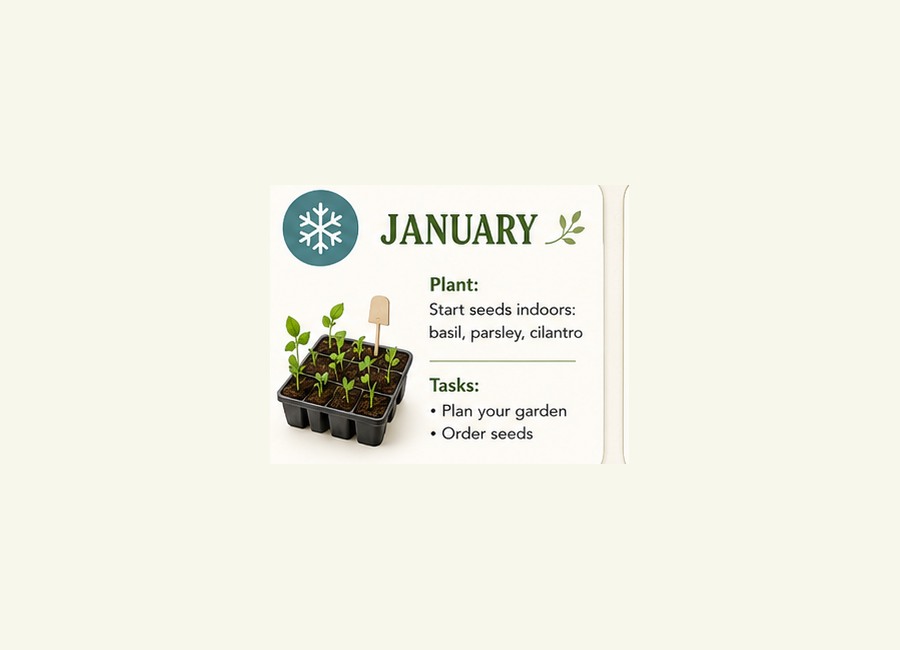
January
Main tasks: Plan seed orders; start onions/leeks indoors in many regions; check houseplants for mites and gnats.
Good candidates: Microgreens, indoor herbs, seed planning.
Timing note: Deep winter: avoid heavy repotting unless necessary.
Use this as a general home-gardener calendar, then adjust around your actual first and last frost dates, heat, rainfall, and USDA zone.
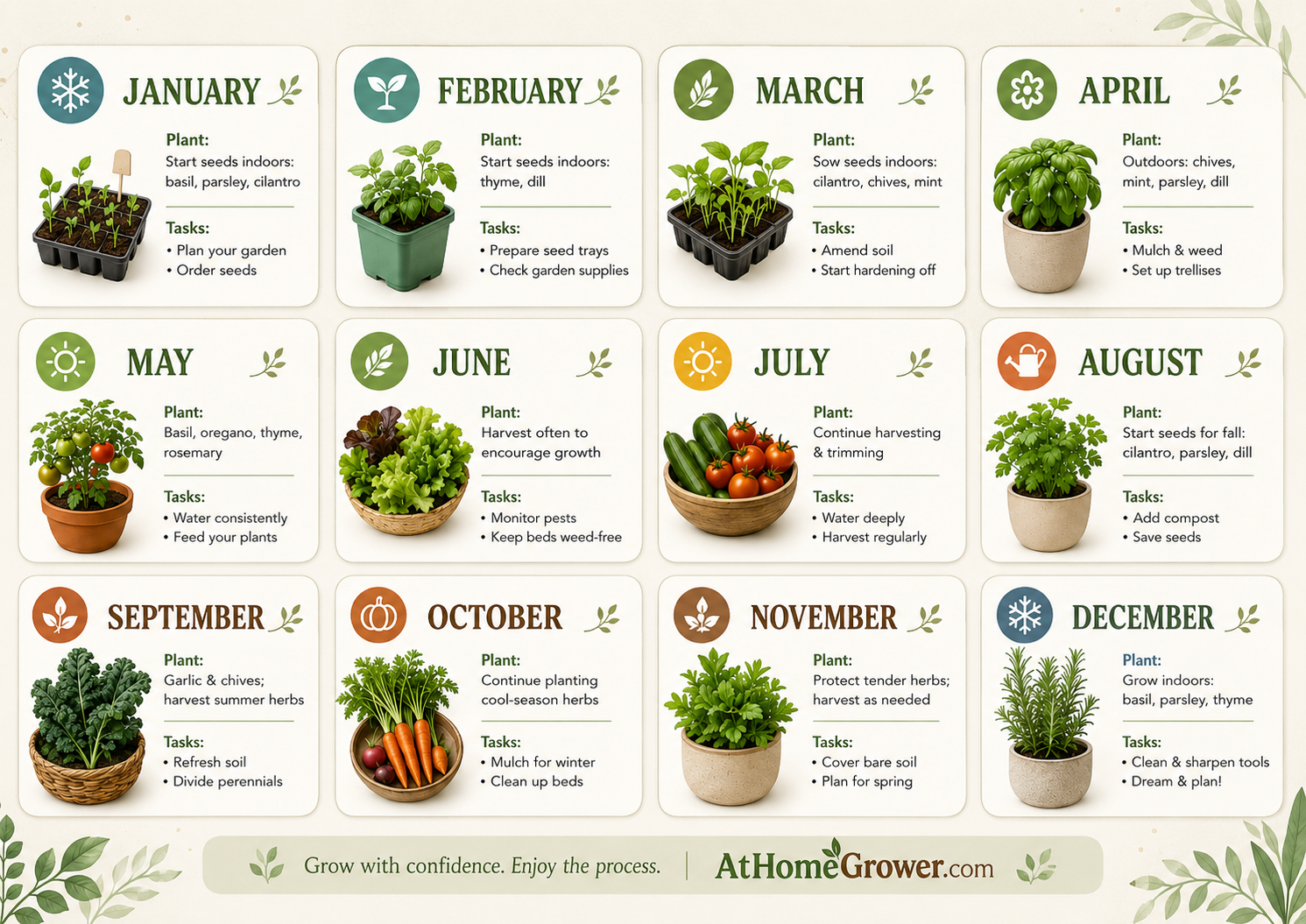
This overview poster is included for quick scanning. The monthly cards below are better for mobile reading and search.
Search by month, crop, task, or season.
Main tasks: Plan seed orders; start onions/leeks indoors in many regions; check houseplants for mites and gnats.
Good candidates: Microgreens, indoor herbs, seed planning.
Timing note: Deep winter: avoid heavy repotting unless necessary.
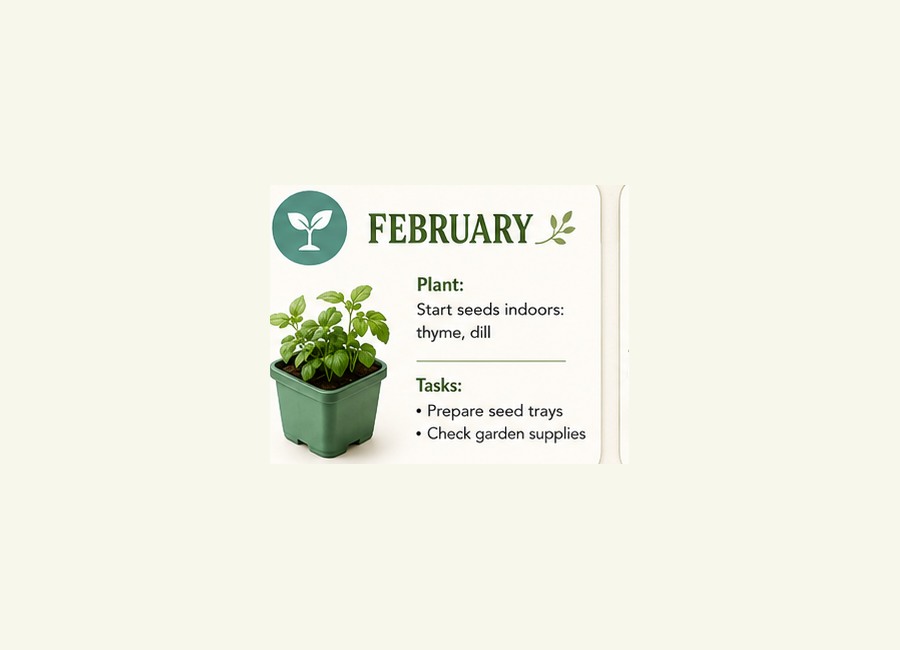
Main tasks: Start cool-season seeds indoors; prune some dormant shrubs/trees where appropriate.
Good candidates: Onions, leeks, celery, parsley, early brassicas.
Timing note: Timing depends heavily on last frost date.
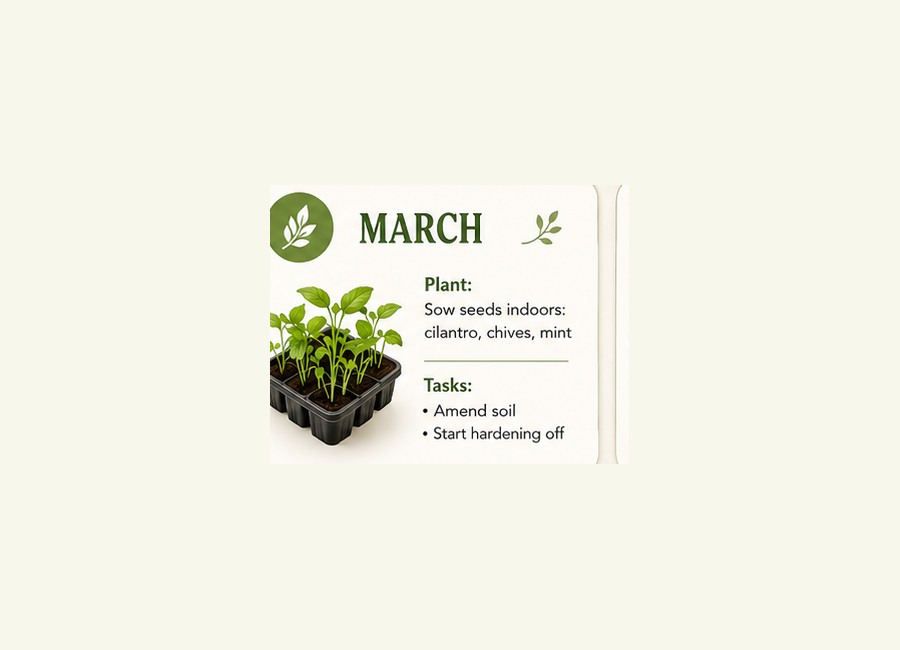
Main tasks: Start tomatoes/peppers indoors in many zones; direct sow hardy greens where soil can be worked.
Good candidates: Lettuce, spinach, peas, radish, carrots, brassicas.
Timing note: Use frost protection for outdoor seedlings.
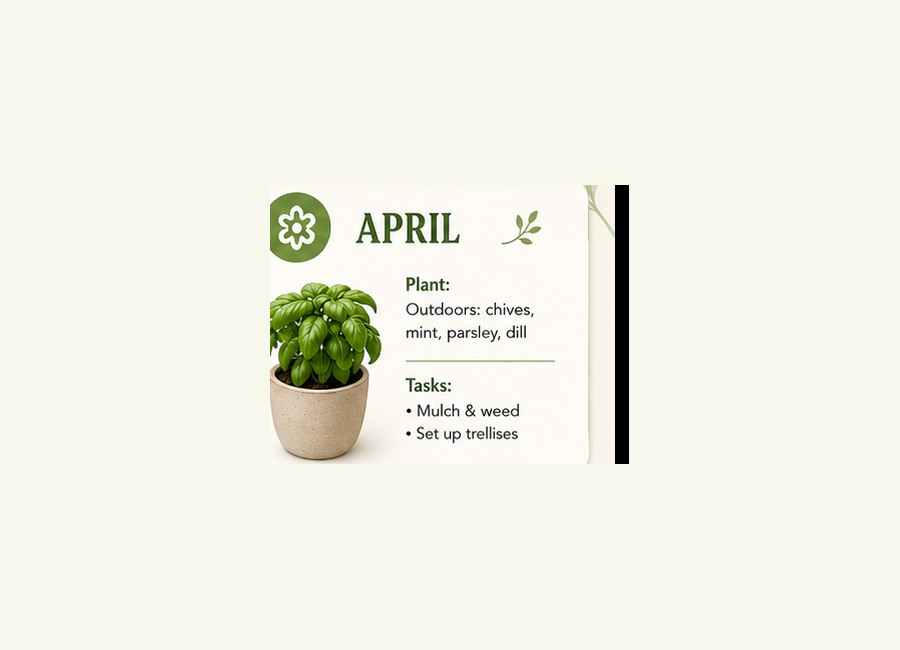
Main tasks: Transplant cool-season crops; start hardening off warm-season seedlings late month in mild areas.
Good candidates: Broccoli, kale, lettuce, herbs, potatoes, peas.
Timing note: Do not rush tomatoes into cold soil.
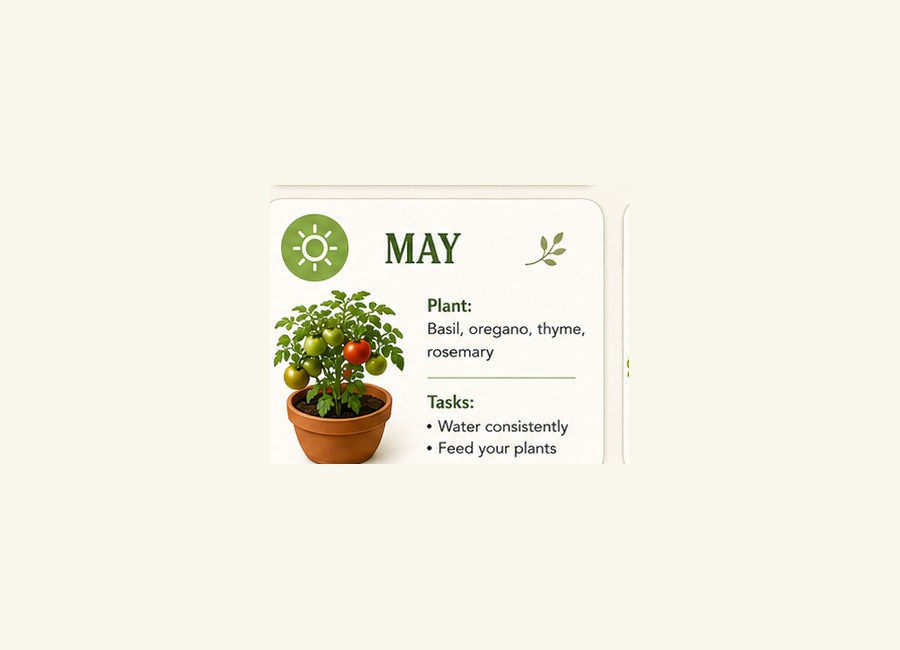
Main tasks: Main warm-season planting month after frost in many regions.
Good candidates: Tomatoes, peppers, basil, cucumbers, beans, squash, annual flowers.
Timing note: Wait for warm nights for basil, peppers, and eggplant.
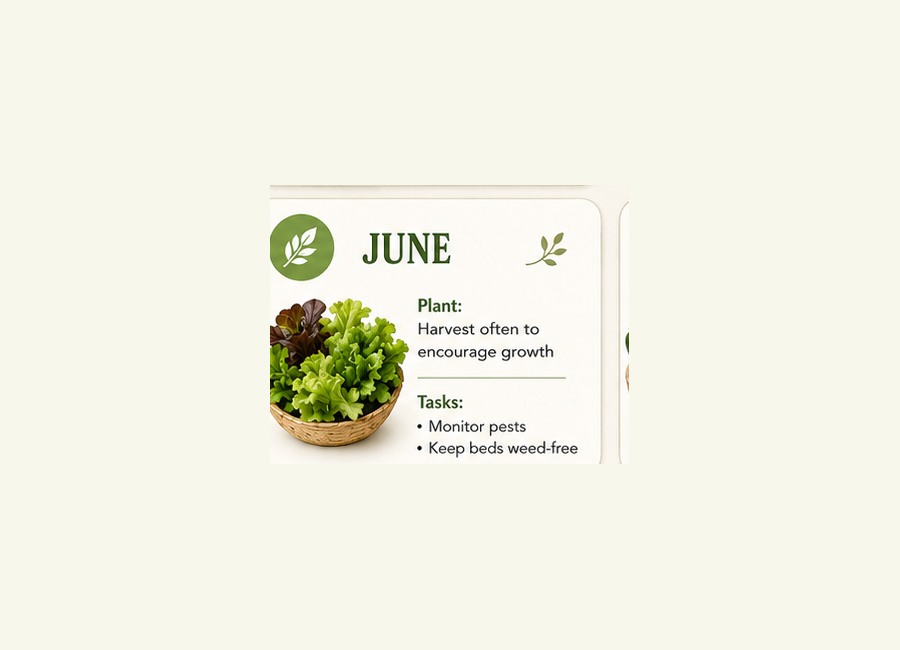
Main tasks: Succession sow beans, herbs, cucumbers; mulch beds; monitor pests.
Good candidates: Beans, basil, cucumbers, squash, marigolds, zinnias.
Timing note: Water deeply and watch for heat stress.
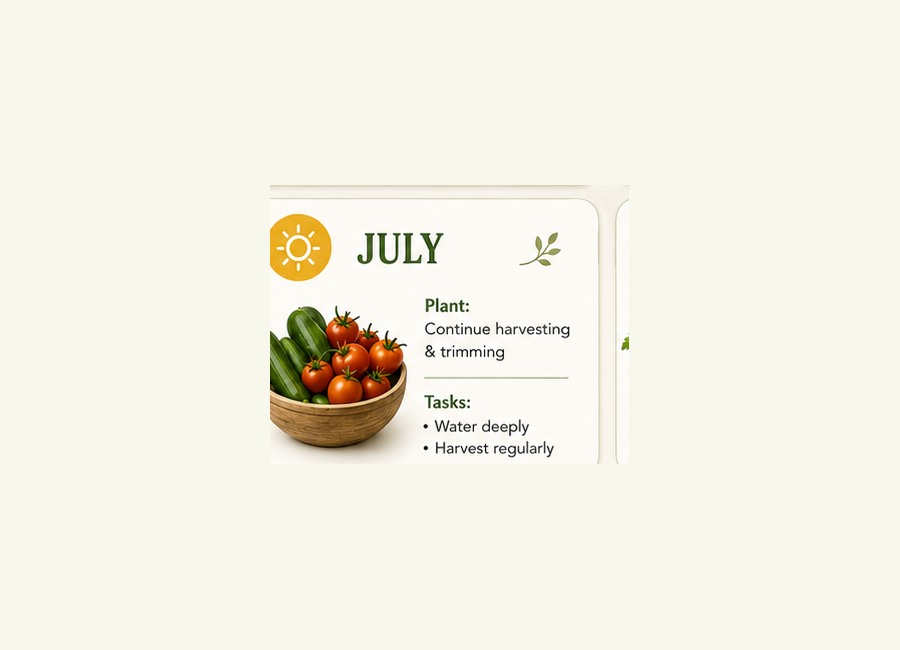
Main tasks: Start fall crops indoors or in shade; keep harvesting herbs and vegetables.
Good candidates: Fall broccoli, kale, cabbage, carrots, beans.
Timing note: Use shade cloth and steady moisture for germination.
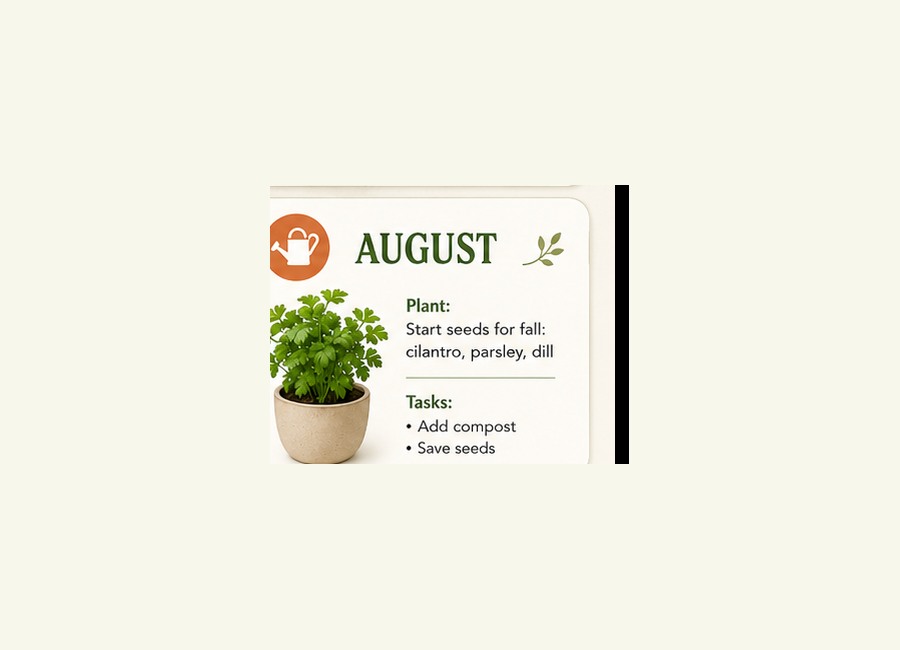
Main tasks: Plant fall cool-season crops in many regions; divide some perennials late month in cooler climates.
Good candidates: Lettuce, spinach, kale, radish, carrots, cilantro.
Timing note: Heat can block germination; shade if needed.
Main tasks: Best fall planting window for many perennials, shrubs, trees, and cool crops.
Good candidates: Greens, perennials, shrubs, trees.
Timing note: Fall roots establish well while soil is warm.
Main tasks: Plant garlic in many zones; bring tender plants indoors; plant shrubs/trees in mild regions.
Good candidates: Garlic, spring bulbs, pansies, cool herbs.
Timing note: Quarantine outdoor plants before bringing inside.
Main tasks: Mulch beds; protect tender perennials; continue planting in mild climates.
Good candidates: Garlic, trees/shrubs in mild areas, cover crops.
Timing note: Avoid fertilizing tender growth before freezes.
Main tasks: Plan next year; maintain indoor plants; force bulbs or grow herbs under lights.
Good candidates: Indoor herbs, microgreens, paperwhites.
Timing note: Reduce watering for many houseplants in low light.
| Month | Main tasks | Good candidates | Timing note |
|---|---|---|---|
| January | Plan seed orders; start onions/leeks indoors in many regions; check houseplants for mites and gnats. | Microgreens, indoor herbs, seed planning. | Deep winter: avoid heavy repotting unless necessary. |
| February | Start cool-season seeds indoors; prune some dormant shrubs/trees where appropriate. | Onions, leeks, celery, parsley, early brassicas. | Timing depends heavily on last frost date. |
| March | Start tomatoes/peppers indoors in many zones; direct sow hardy greens where soil can be worked. | Lettuce, spinach, peas, radish, carrots, brassicas. | Use frost protection for outdoor seedlings. |
| April | Transplant cool-season crops; start hardening off warm-season seedlings late month in mild areas. | Broccoli, kale, lettuce, herbs, potatoes, peas. | Do not rush tomatoes into cold soil. |
| May | Main warm-season planting month after frost in many regions. | Tomatoes, peppers, basil, cucumbers, beans, squash, annual flowers. | Wait for warm nights for basil, peppers, and eggplant. |
| June | Succession sow beans, herbs, cucumbers; mulch beds; monitor pests. | Beans, basil, cucumbers, squash, marigolds, zinnias. | Water deeply and watch for heat stress. |
| July | Start fall crops indoors or in shade; keep harvesting herbs and vegetables. | Fall broccoli, kale, cabbage, carrots, beans. | Use shade cloth and steady moisture for germination. |
| August | Plant fall cool-season crops in many regions; divide some perennials late month in cooler climates. | Lettuce, spinach, kale, radish, carrots, cilantro. | Heat can block germination; shade if needed. |
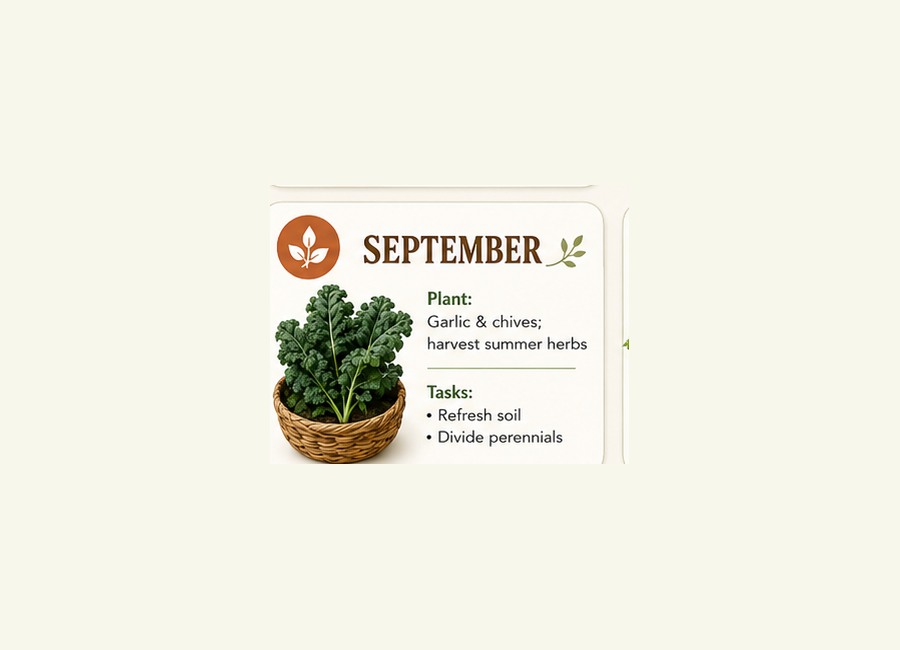
| September | Best fall planting window for many perennials, shrubs, trees, and cool crops. | Greens, perennials, shrubs, trees. | Fall roots establish well while soil is warm. |
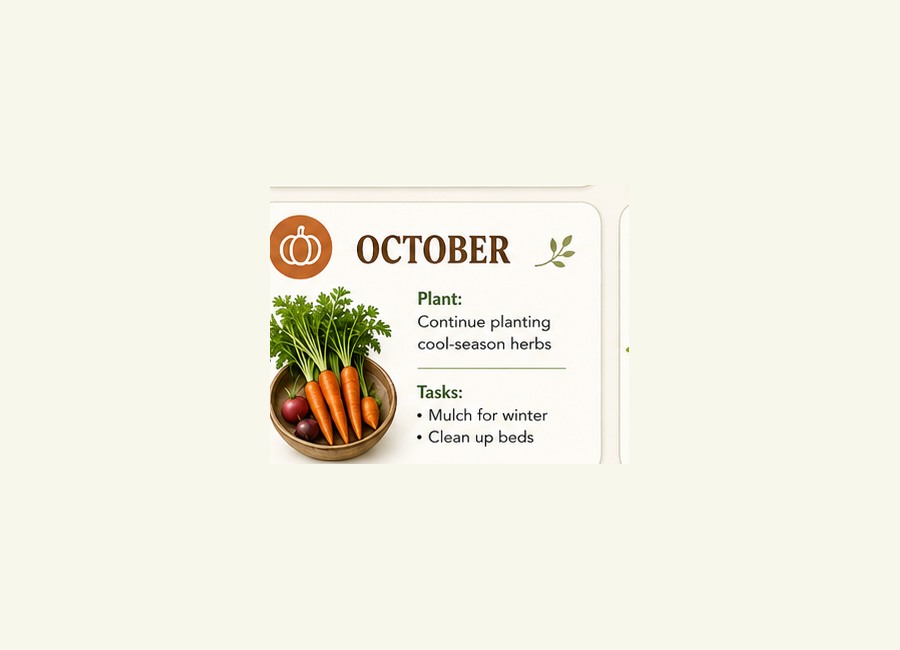
| October | Plant garlic in many zones; bring tender plants indoors; plant shrubs/trees in mild regions. | Garlic, spring bulbs, pansies, cool herbs. | Quarantine outdoor plants before bringing inside. |
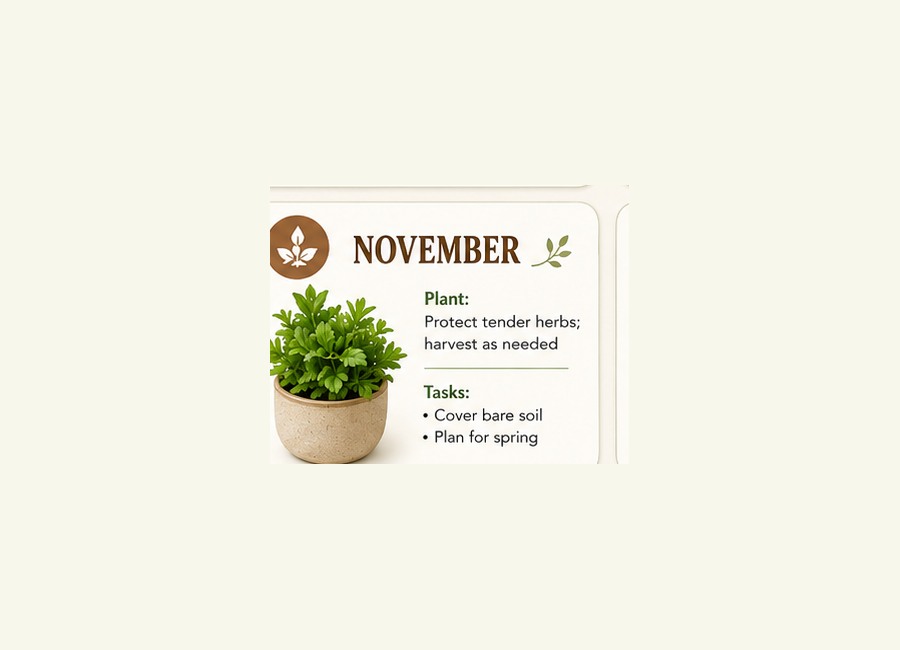
| November | Mulch beds; protect tender perennials; continue planting in mild climates. | Garlic, trees/shrubs in mild areas, cover crops. | Avoid fertilizing tender growth before freezes. |
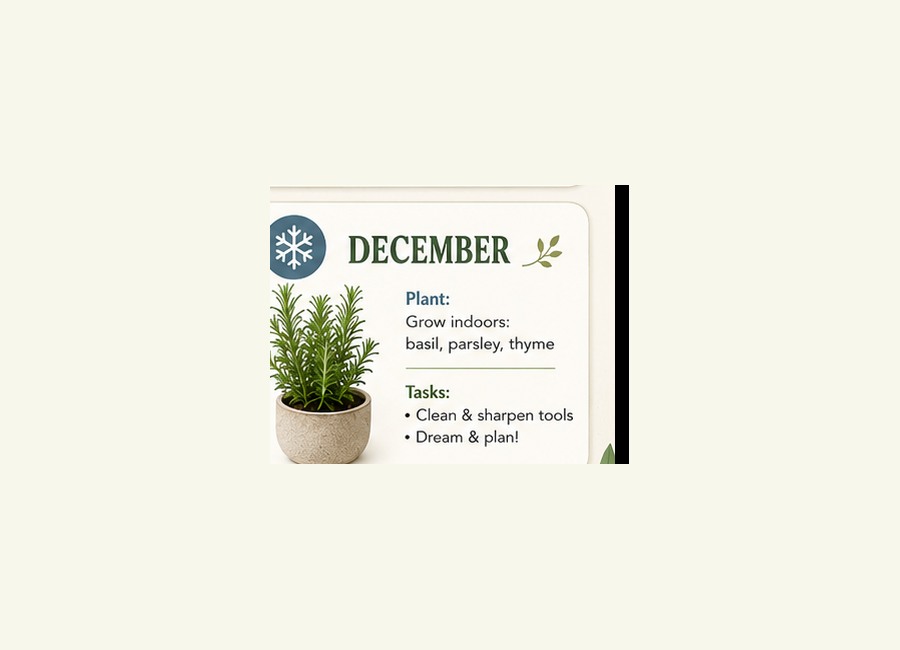
| December | Plan next year; maintain indoor plants; force bulbs or grow herbs under lights. | Indoor herbs, microgreens, paperwhites. | Reduce watering for many houseplants in low light. |