Fire blight guide image
Plant disease guide

Fire blight

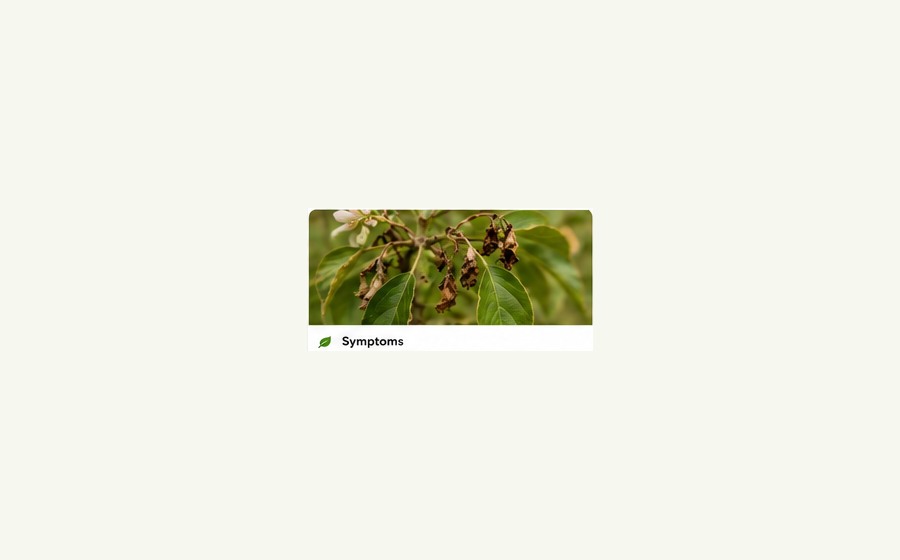
Symptoms: Blackened shoots, flowers, and leaves that look scorched. Shoot tips may hook downward.

Symptoms: Blackened shoots, flowers, and leaves that look scorched. Shoot tips may hook downward.Prevention note: Choose resistant varieties, prune for airflow, and avoid pruning during wet active infection periods.

Quick facts

Symptoms: Blackened shoots, flowers, and leaves that look scorched. Shoot tips may hook downward.

Organic treatment / management:

Prevention note: Choose resistant varieties, prune for airflow, and avoid pruning during wet active infection periods.

  • Prune infected branches during dry weather.
  • Sterilize tools between cuts.
  • Remove infected material from the area.
  • Avoid high-nitrogen feeding that creates tender growth.

What to do next

  • Remove the worst infected or damaged tissue when appropriate.
  • Improve airflow, spacing, sanitation, and watering habits.
  • Avoid overhead watering when leaf disease is suspected.
  • Use organic fungicide or copper products only when the label fits the plant and disease.
  • Discard confirmed viral infections rather than propagating from them.

Watch-outs

Do not compost severe disease material unless your compost system gets hot enough to destroy pathogens.

FAQ

How do I use this plant disease guide?

Start with the light, soil, water, symptom, or purpose notes on this page, then make one careful change at a time.

What is the biggest mistake with Fire blight?

Do not compost severe disease material unless your compost system gets hot enough to destroy pathogens.

When should I get more help?

Get local help if the plant is valuable, symptoms are spreading quickly, or outdoor disease and pest problems may affect nearby plants.