Individual pest blurbs

Each pest now has its own treatment card.

Every pest is separated into a standalone blurb with a matched generated image, signs to look for, organic control steps, and prevention notes.

Organic pest rule: Isolate first, physically remove pests second, then use the lowest-risk treatment that matches the pest. Repeat treatments because eggs and hidden stages often survive.

Common pest library

Search by pest, damage pattern, or organic control.

Generated photo-style card for Aphids
Pest blurb

Aphids

Signs: Soft clusters on tender stems, curled leaves, sticky honeydew, and ants.

Organic control list:

  • Blast with water.
  • Prune heavy clusters.
  • Use insecticidal soap on contact.
  • Encourage ladybugs, lacewings, and hoverflies outdoors.

Prevention note: Check new growth weekly.

Read full guide →

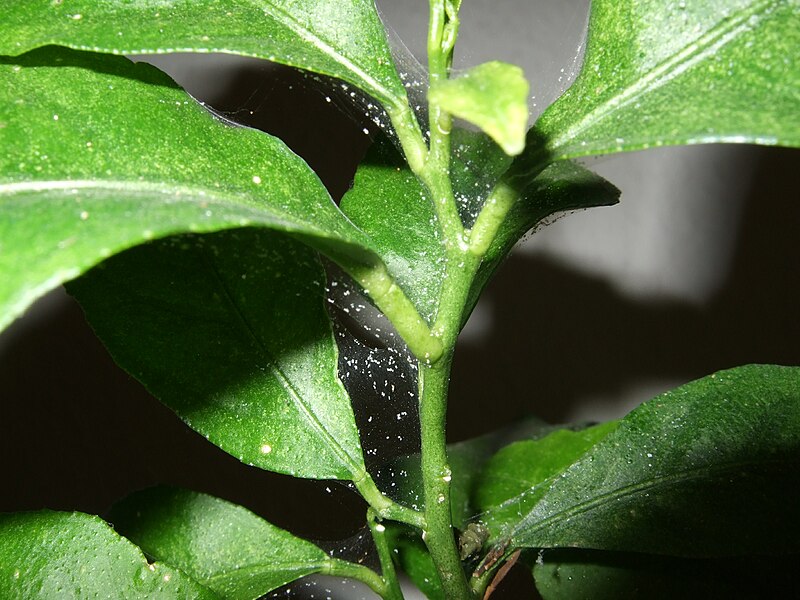
Generated photo-style card for Spider mites
Pest blurb

Spider mites

Signs: Fine webbing, tiny moving dots, yellow stippling, and dry stressed foliage.

Organic control list:

  • Rinse leaf undersides.
  • Raise humidity if the plant tolerates it.
  • Use insecticidal soap or horticultural oil.
  • Repeat weekly.

Prevention note: Avoid hot, dusty, dry conditions.

Read full guide →

Generated photo-style card for Mealybugs
Pest blurb

Mealybugs

Signs: White cottony masses in leaf joints, stems, and hidden crevices.

Organic control list:

  • Dab visible bugs with 70% isopropyl alcohol.
  • Rinse after spot treatment.
  • Prune heavy areas.
  • Use soap or neem carefully.

Prevention note: Quarantine new plants.

Read full guide →

Generated photo-style card for Whiteflies
Pest blurb

Whiteflies

Signs: Tiny white insects fly up when leaves are disturbed; honeydew may appear.

Organic control list:

  • Use yellow sticky cards.
  • Vacuum or rinse adults.
  • Remove heavily infested leaves.
  • Spray undersides with insecticidal soap.

Prevention note: Inspect leaf undersides regularly.

Read full guide →

Generated photo-style card for Scale insects
Pest blurb

Scale insects

Signs: Brown or tan bumps on stems and leaves, sticky residue, and slow decline.

Organic control list:

  • Scrape small infestations gently.
  • Wipe with alcohol on a cotton swab.
  • Prune severe stems.
  • Use horticultural oil when temperatures are safe.

Prevention note: Inspect woody stems and leaf ribs.

Read full guide →

Generated photo-style card for Fungus gnats
Pest blurb

Fungus gnats

Signs: Tiny black flies around wet potting mix; larvae live in damp soil.

Organic control list:

  • Let the top layer dry.
  • Use yellow sticky traps.
  • Bottom-water when appropriate.
  • Use BTI mosquito bits or beneficial nematodes.

Prevention note: Stop keeping soil constantly wet.

Read full guide →

Generated photo-style card for Thrips
Pest blurb

Thrips

Signs: Silvery streaks, black specks, distorted leaves, and damaged flowers.

Organic control list:

  • Isolate the plant.
  • Use blue or yellow sticky traps.
  • Prune damaged flowers.
  • Use insecticidal soap or spinosad where appropriate.

Prevention note: Check flowers and new growth closely.

Read full guide →

Generated photo-style card for Slugs and snails
Pest blurb

Slugs and snails

Signs: Ragged holes, slime trails, and chewed seedlings outdoors.

Organic control list:

  • Hand-pick at night.
  • Use copper barriers.
  • Use iron phosphate bait as directed.
  • Remove damp hiding spots.

Prevention note: Check after rain or heavy watering.

Read full guide →

Generated photo-style card for Leaf miners
Pest blurb

Leaf miners

Signs: Pale winding tunnels or blotches inside leaves.

Organic control list:

  • Remove affected leaves.
  • Use row cover on susceptible crops.
  • Encourage parasitic wasps.
  • Keep weeds down nearby.

Prevention note: Inspect young leaves early.

Read full guide →

Generated photo-style card for Caterpillars
Pest blurb

Caterpillars

Signs: Chewed leaves, frass pellets, and missing leaf edges.

Organic control list:

  • Hand-pick.
  • Use floating row cover.
  • Use BT for caterpillars when appropriate.
  • Encourage birds and beneficial insects.

Prevention note: Inspect undersides for eggs.

Read full guide →

Generated photo-style card for Leafhoppers
Pest blurb

Leafhoppers

Signs: Yellow stippling, curled leaves, quick jumping insects.

Organic control list:

  • Use row cover.
  • Use insecticidal soap on young stages.
  • Remove weeds.
  • Encourage lacewings and spiders.

Prevention note: Keep garden edges clean.

Read full guide →

Generated photo-style card for Cutworms
Pest blurb

Cutworms

Signs: Seedlings cut off at soil level overnight.

Organic control list:

  • Use collars around seedlings.
  • Hand-pick at night.
  • Use BT where appropriate.
  • Turn soil lightly before planting.

Prevention note: Protect new transplants immediately.

Read full guide →

Generated photo-style card for Root aphids
Pest blurb

Root aphids

Signs: Weak growth, yellowing, root pests, and ants around containers.

Organic control list:

  • Inspect roots.
  • Repot severe container cases.
  • Use beneficial nematodes.
  • Avoid overwatering and stressed roots.

Prevention note: Quarantine new plants and cuttings.

Read full guide →

Generated photo-style card for Armyworms
Pest blurb

Armyworms

Signs: Chewed leaves, fast defoliation, and caterpillars feeding in groups.

Organic control list:

  • Hand-pick.
  • Use BT while larvae are small.
  • Use row cover.
  • Encourage birds and predatory insects.

Prevention note: Inspect in evening and early morning.

Read full guide →

Generated photo-style card for Flea beetles
Pest blurb

Flea beetles

Signs: Tiny shot holes in leaves, especially on brassicas, eggplant, and seedlings.

Organic control list:

  • Use row cover.
  • Use trap crops.
  • Mulch to disrupt soil emergence.
  • Use neem or kaolin clay carefully.

Prevention note: Protect seedlings before damage starts.

Read full guide →

Generated photo-style card for Leafrollers
Pest blurb

Leafrollers

Signs: Rolled leaves tied with silk and chewed edges.

Organic control list:

  • Remove rolled leaves.
  • Hand-pick larvae.
  • Use BT when larvae are active.
  • Encourage beneficial wasps.

Prevention note: Check curled leaves before infestations spread.

Read full guide →

Generated photo-style card for Beetles
Pest blurb

Beetles

Signs: Chewed leaves, skeletonized foliage, or holes depending on beetle type.

Organic control list:

  • Hand-pick.
  • Use row covers.
  • Use trap crops.
  • Encourage birds and predatory insects.

Prevention note: Identify the beetle before choosing treatment.

Read full guide →

Generated photo-style card for Broad/cyclamen mite lookalikes
Pest blurb

Broad/cyclamen mite lookalikes

Signs: Distorted new growth, bronzing, and damage that may not show webbing.

Organic control list:

  • Remove badly distorted tips.
  • Improve plant vigor.
  • Use horticultural oil cautiously.
  • Confirm with magnification when possible.

Prevention note: Avoid bringing infested starts into the collection.

Read full guide →

Generated photo-style card for Ants as pest indicators
Pest blurb

Ants as pest indicators

Signs: Ants farming aphids, scale, or mealybugs for honeydew.

Organic control list:

  • Control the sap-feeding pest.
  • Prune infested growth.
  • Use sticky barriers outdoors.
  • Remove honeydew with water.

Prevention note: Do not ignore ants repeatedly visiting the same plant.

Read full guide →

Generated photo-style card for Soil pest pressure
Pest blurb

Soil pest pressure

Signs: Weak roots, wet soil, gnats, larvae, and slow plant recovery.

Organic control list:

  • Dry the top layer.
  • Refresh compacted potting mix.
  • Use BTI or nematodes.
  • Avoid organic debris sitting on indoor soil.

Prevention note: Use airy soil and proper watering.

Read full guide →

Shop organic pest control carefully

Match the product to the pest first. Aphids, caterpillars, slugs, fungus gnats, mites, and disease lookalikes need different approaches.

Open pest-control store