Individual deficiency blurbs

Each deficiency now has its own card.

Instead of one giant poster, every plant-health issue is separated into its own blurb with a matched generated image, symptoms, organic cure list, and prevention note.

Diagnosis note: Yellowing, spots, curling, and burnt edges can overlap with watering problems, pH lockout, pests, temperature stress, or root damage. Treat gently and confirm with new growth.

Deficiency and lookalike library

Search by nutrient, symptom, or organic cure.

Generated photo-style card for Nitrogen deficiency
Deficiency blurb

Nitrogen deficiency

What it looks like: Older leaves yellow first, plant growth slows, stems may look thin, and the whole plant can look pale.

Organic cure list:

  • Top-dress with finished compost.
  • Add worm castings around the root zone.
  • Use diluted fish emulsion or alfalfa meal during active growth.
  • Improve soil biology with mulch outdoors.

Prevention note: Feed lightly but consistently during active growth and avoid waterlogged soil.

Generated photo-style card for Phosphorus deficiency
Deficiency blurb

Phosphorus deficiency

What it looks like: Dark green or purple-toned leaves, slow roots, delayed flowering, and stunted growth.

Organic cure list:

  • Use bone meal or fish bone meal if soil actually needs phosphorus.
  • Add compost and keep roots warm.
  • Use mycorrhiza-friendly practices.
  • Keep pH in the correct range for the plant.

Prevention note: Avoid cold, wet soil and avoid overapplying phosphorus.

Generated photo-style card for Potassium deficiency
Deficiency blurb

Potassium deficiency

What it looks like: Leaf edges yellow, brown, or scorch; weak stems; poor heat and drought tolerance.

Organic cure list:

  • Use kelp meal or liquid seaweed.
  • Use composted plant material.
  • Use sulfate of potash-magnesia when appropriate.
  • Water consistently so nutrients can move into roots.

Prevention note: Do not overuse wood ash unless pH is low enough to handle it.

Generated photo-style card for Calcium deficiency
Deficiency blurb

Calcium deficiency

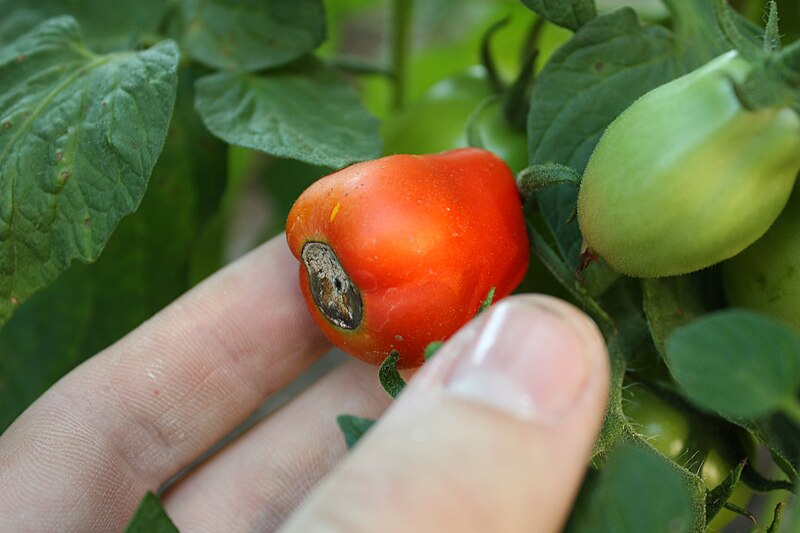
What it looks like: New leaves twist or burn at tips; tomatoes and peppers may develop blossom-end rot.

Organic cure list:

  • Water consistently.
  • Use gypsum where calcium is needed without raising pH.
  • Use crushed eggshells only as a long-term slow amendment.
  • Mulch outdoor crops to stabilize soil moisture.

Prevention note: Most blossom-end rot comes from moisture swings, not a total lack of calcium.

Generated photo-style card for Iron deficiency
Deficiency blurb

Iron deficiency

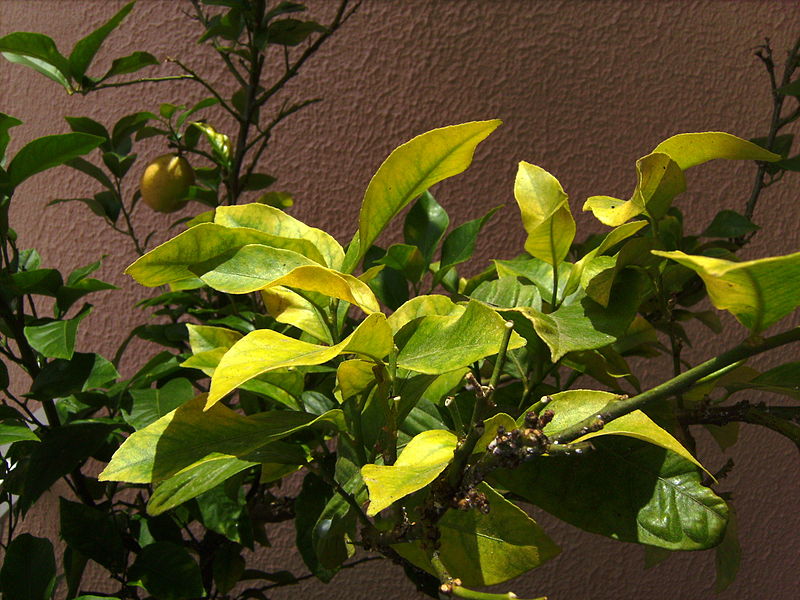
What it looks like: Young leaves turn yellow while veins stay greener. Older leaves may stay normal at first.

Organic cure list:

  • Check pH before treating.
  • Use compost and acid-appropriate potting media.
  • Use organic-approved chelated iron if confirmed.
  • Avoid over-liming.

Prevention note: High pH commonly locks iron out even when iron is present.

Generated photo-style card for Magnesium deficiency
Deficiency blurb

Magnesium deficiency

What it looks like: Older leaves yellow between veins while veins stay green, often with a marbled look.

Organic cure list:

  • Use Epsom salt lightly only when magnesium deficiency is likely.
  • Use dolomitic lime only if pH is low and magnesium is needed.
  • Add compost to improve nutrient holding.
  • Balance potassium feeding.

Prevention note: Do not use Epsom salt as a universal cure.

Generated photo-style card for Sulfur deficiency
Deficiency blurb

Sulfur deficiency

What it looks like: New growth turns pale or yellow evenly and the plant may look washed out.

Organic cure list:

  • Use compost.
  • Use gypsum if calcium and sulfur are both useful.
  • Use elemental sulfur carefully for long-term pH adjustment.
  • Use organic fertilizer containing sulfur.

Prevention note: Sulfur changes soil slowly; do not overcorrect.

Generated photo-style card for Zinc deficiency
Deficiency blurb

Zinc deficiency

What it looks like: Small leaves, short spacing between leaves, pale new growth, and distorted tips.

Organic cure list:

  • Use compost.
  • Use kelp meal.
  • Avoid excess phosphorus.
  • Use zinc amendments only with strong confirmation or soil testing.

Prevention note: Micronutrients are easy to overapply.

Generated photo-style card for Boron deficiency
Deficiency blurb

Boron deficiency

What it looks like: Brittle new leaves, cracked stems, poor growing tips, and poor fruit set.

Organic cure list:

  • Use compost and seaweed products for gentle trace support.
  • Keep soil evenly moist.
  • Use boron only from soil-test guidance.
  • Apply tiny amounts only when confirmed.

Prevention note: The safe range for boron is narrow, so never guess high doses.

Generated photo-style card for Manganese deficiency
Deficiency blurb

Manganese deficiency

What it looks like: Yellowing between veins, speckling, and poor new growth, often connected to high pH.

Organic cure list:

  • Check pH.
  • Use compost and organic matter.
  • Avoid over-liming.
  • Use manganese sulfate only with test-backed need.

Prevention note: Can look like iron or magnesium issues, so compare new vs. old leaves.

Generated photo-style card for Copper deficiency
Deficiency blurb

Copper deficiency

What it looks like: New leaves twist, tips die back, growth weakens, and flowering can suffer.

Organic cure list:

  • Use compost.
  • Use seaweed extract for trace elements.
  • Correct high organic-matter imbalance if confirmed.
  • Use copper only with professional or soil-test guidance.

Prevention note: Copper can become toxic; avoid routine copper feeding.

Generated photo-style card for Molybdenum deficiency
Deficiency blurb

Molybdenum deficiency

What it looks like: Yellowing, leaf cupping, poor nitrogen use, and distorted growth.

Organic cure list:

  • Correct acidic soil if pH is too low.
  • Use compost.
  • Use kelp meal for broad trace support.
  • Test soil before adding molybdenum.

Prevention note: pH correction is often more important than adding the nutrient.

Generated photo-style card for Chlorine deficiency
Deficiency blurb

Chlorine deficiency

What it looks like: Wilting, yellowing, bronzing, and poor root function; rare in most home gardens.

Organic cure list:

  • Use compost.
  • Use seaweed at normal dilution.
  • Maintain balanced watering.
  • Do not chase chlorine unless confirmed.

Prevention note: This is uncommon; rule out water stress first.

Generated photo-style card for Watering stress lookalike
Deficiency blurb

Watering stress lookalike

What it looks like: Wilting, yellowing, crispy edges, or soft drooping can mimic deficiency.

Organic cure list:

  • Check soil moisture before feeding.
  • Improve drainage.
  • Repot if roots are rotting.
  • Water by plant need, not a calendar.

Prevention note: Many nutrient problems are actually root and water problems.

Generated photo-style card for Salt buildup / fertilizer burn
Deficiency blurb

Salt buildup / fertilizer burn

What it looks like: Brown tips and margins, crust on soil, stalled growth after repeated feeding.

Organic cure list:

  • Flush containers with clean water if drainage is good.
  • Pause fertilizer.
  • Top-dress with compost later.
  • Repot if soil is compacted or salty.

Prevention note: Use half-strength feeds and water thoroughly enough to prevent buildup.

Generated photo-style card for pH lockout
Deficiency blurb

pH lockout

What it looks like: Multiple deficiency symptoms appear even when the plant has been fed.

Organic cure list:

  • Test pH.
  • Use the correct potting mix for the plant.
  • Avoid unnecessary lime.
  • Use sulfur or acidifying amendments only carefully.

Prevention note: Correct pH unlocks nutrients better than adding more fertilizer.

Generated photo-style card for Rootbound stress
Deficiency blurb

Rootbound stress

What it looks like: Plant dries quickly, leaves yellow, growth stalls, and roots circle the pot.

Organic cure list:

  • Repot one size larger.
  • Loosen circling roots gently.
  • Refresh potting mix.
  • Water deeply after repotting.

Prevention note: Check roots during active growth before heavy feeding.

Generated photo-style card for Light deficiency
Deficiency blurb

Light deficiency

What it looks like: Stretching, pale leaves, leaning, weak stems, and slow growth.

Organic cure list:

  • Move closer to bright indirect light.
  • Use a grow light if needed.
  • Rotate plants weekly.
  • Reduce fertilizer until light improves.

Prevention note: Plants cannot use fertilizer well without enough light.

Generated photo-style card for Heat or light scorch
Deficiency blurb

Heat or light scorch

What it looks like: Bleached patches, crispy tips, and damage on the sun-facing side.

Organic cure list:

  • Move to gentler light.
  • Use shade cloth outdoors.
  • Water consistently.
  • Do not fertilize a heat-stressed plant heavily.

Prevention note: Acclimate plants gradually before direct sun.

Generated photo-style card for Overwatering / root oxygen stress
Deficiency blurb

Overwatering / root oxygen stress

What it looks like: Yellowing, drooping, soft stems, fungus gnats, and sour-smelling soil.

Organic cure list:

  • Let the pot dry appropriately.
  • Improve drainage.
  • Remove rotted roots if repotting.
  • Use chunkier mix for indoor plants.

Prevention note: Roots need oxygen as much as water.